

Fighter · Merlin III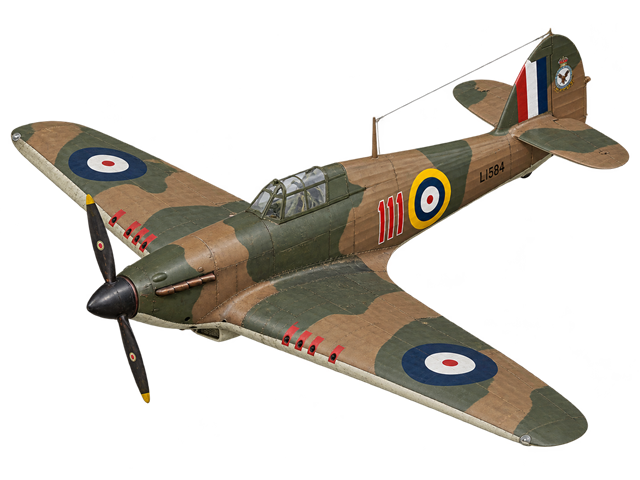
01 / Fighter
Hawker Hurricane Mk I
The workhorse of the defensive line. Eight wing-mounted Browning .303 machine guns place it inside the same ammunition and maintenance flow that sustains the fighter force.



United Kingdom · Fighter Command
Turn warning into interceptions. The RAF command problem is to keep radar, reporting, sectors, airfields, aircraft, and trained people working as one defensive machine.
Read uncertain contacts through the warning network.
Choose which raids justify aircraft, fuel, and fatigue.
Repair the machine and return crews to useful strength.
Aircraft on the line
Aircraft are not collectibles. Every type draws on engines, crews, spares, production capacity, and the missions you ask it to fly.
01 / Fighter
The workhorse of the defensive line. Eight wing-mounted Browning .303 machine guns place it inside the same ammunition and maintenance flow that sustains the fighter force.
02 / Fighter
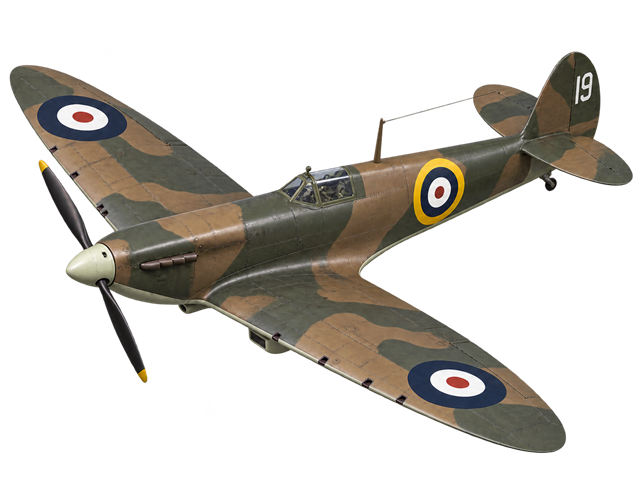
A fast interceptor built around the same Merlin III powerplant and eight-gun battery. Its value depends on warning time, sector control, and enough serviceable machines to meet the raid.
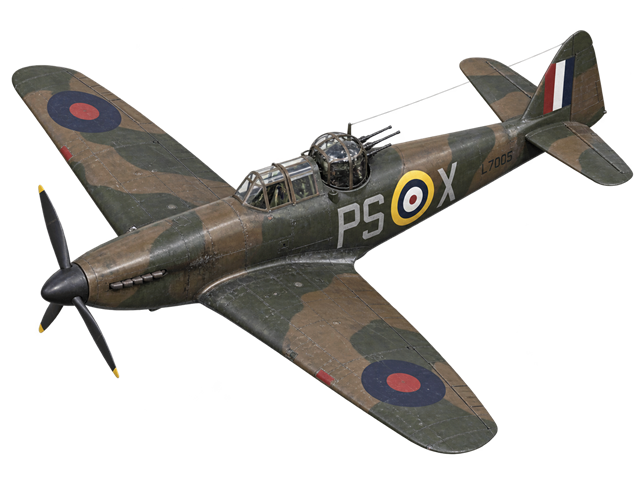
03 / Turret fighter
A two-person fighter whose four guns sit in a powered dorsal turret. The design asks the player to match a specialised firing geometry to a suitable mission rather than treat every fighter as interchangeable.
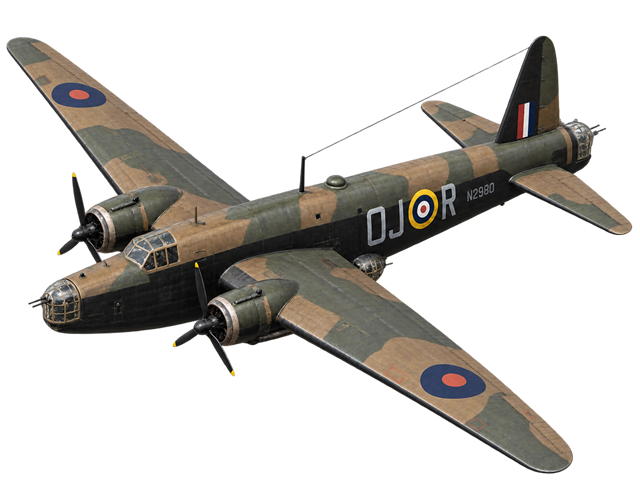
04 / Medium bomber
Twin-engined bomber capacity extends the command beyond interception. Bomber missions compete for crews, engines, airfields, and replacement effort inside the same campaign economy.
Powerplants & systems
Research decisions change the support system behind the aircraft: what can be built, fitted, repaired, communicated, and sent back into action.
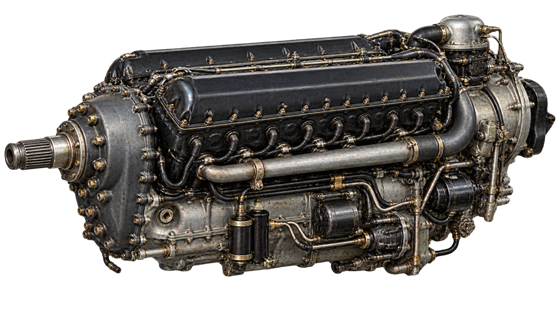
The shared fighter powerplant behind the Hurricane, Spitfire, and Defiant represented here.
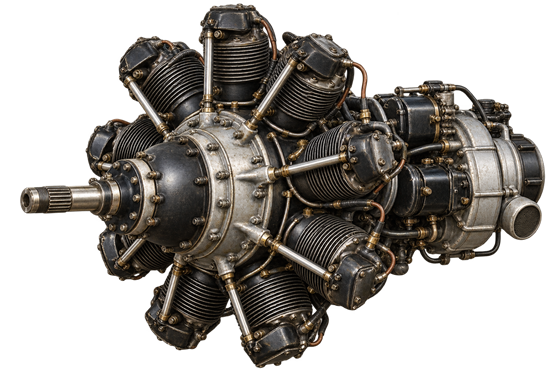
A separate production and servicing family represented in the wider RAF aircraft catalogue.
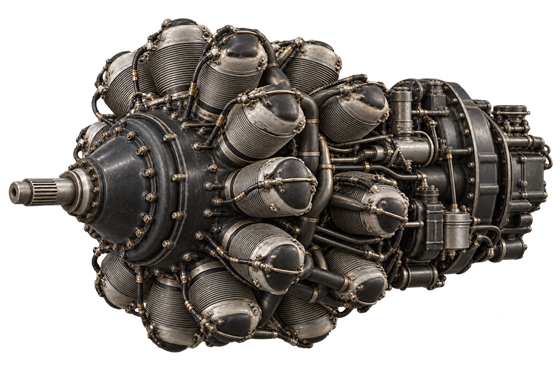
A research path toward another powerplant family, with its own industrial and service implications.
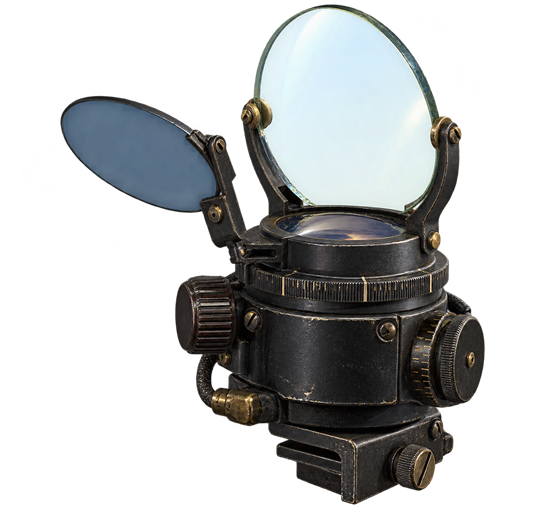
A fitted system whose combat effect belongs to the aircraft, its pilot, and the engagement conditions.
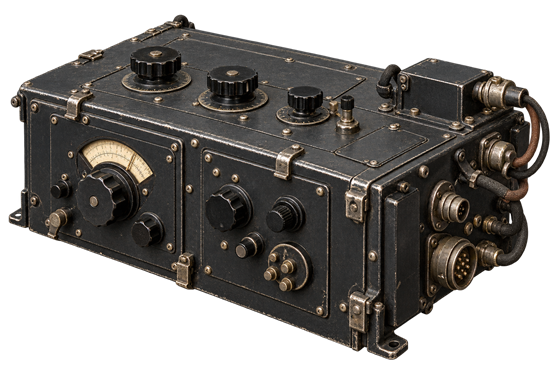
Crystal-controlled voice communication with Pip-squeak, connecting aircraft to the control network.
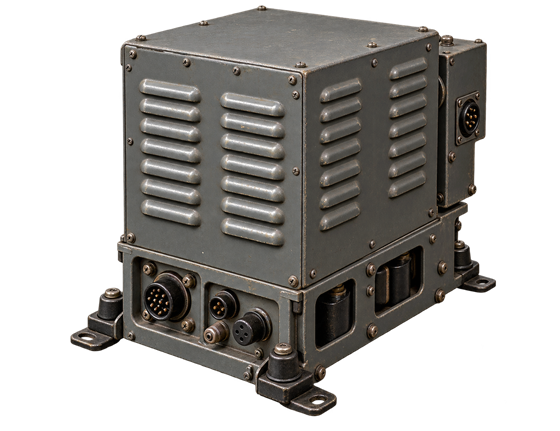
Experimental and operational transponder development inside the warning-and-identification chain.
People in the campaign record
The campaign records people as part of an operational system—not as invulnerable icons. Rank, unit, command changes, fatigue, wounds, and disputed victory totals all matter.
Flight Lieutenant · No. 74 Squadron
The opening roster records at least seven victories by 10 July. Malan took command of No. 74 Squadron on 8 August, turning an experienced fighter pilot into part of Fighter Command’s leadership structure.
Pilot Officer · No. 54 Squadron
Deere enters with eight recorded victories. No. 54 Squadron’s rest at Catterick and return to Hornchurch on 8 August make his story one of combat performance bounded by squadron endurance and rotation.
Flight Lieutenant · No. 92 Squadron
The dataset carries at least five victories at campaign opening. On 11 September he moved from No. 92 Squadron to command No. 257 Squadron—an operational transition, not merely another score.
Sergeant · No. 501 Squadron
Lacey begins with five recorded victories. The current campaign record carries 19 by the end of October, based on a 26 November citation; that dating remains visible rather than being treated as exact contemporary bookkeeping.
Flight Lieutenant · No. 32 Squadron
Crossley begins with seven recorded victories and became squadron leader and commanding officer on 16 August. His total is disputed in the current sources, which report different figures for late August, so the page does not present a definitive end-of-campaign score.
Source discipline. These are prominent pilots represented in the current campaign dataset, not a definitive ranking. Appointments and counts are provisional where the source record conflicts. Equipment illustrations are approved game artwork and are decorative representations, not historical evidence.