

Fighter · DB 601 A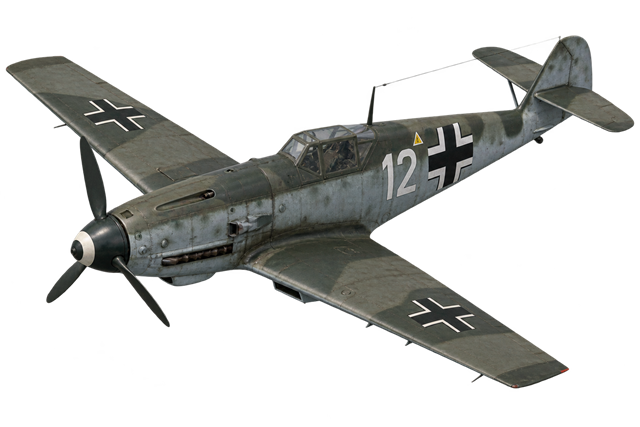
01 / Fighter
Messerschmitt Bf 109 E-4
The single-engine fighter at the sharp edge of escort and interception. Its effect is constrained by basing, range, fuel, and the timing of the formation it must protect.

Germany · Air fleet command
Concentrate force across distance. The Luftwaffe command problem is to coordinate unlike aircraft and mission types while range, escort, weather, serviceability, and replacement narrow every choice.
Build a raid from unlike aircraft, bases, and mission roles.
Balance target pressure against range and escort endurance.
Turn production, serviceability, and trained crews into sorties.
Aircraft on the line
Fighters, heavy fighters, and bombers must arrive as a working plan. A large force on paper can still fail through range, timing, serviceability, or loss of trained crews.
01 / Fighter
The single-engine fighter at the sharp edge of escort and interception. Its effect is constrained by basing, range, fuel, and the timing of the formation it must protect.
02 / Heavy fighter
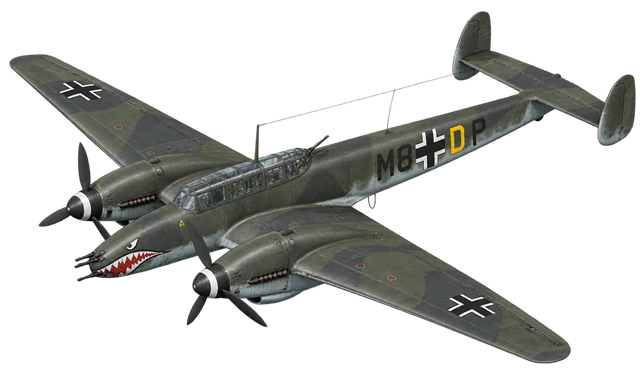
A twin-engined, two-person heavy fighter with concentrated forward armament and a rear defensive gun. It brings reach and firepower at the cost of another operational profile to support.
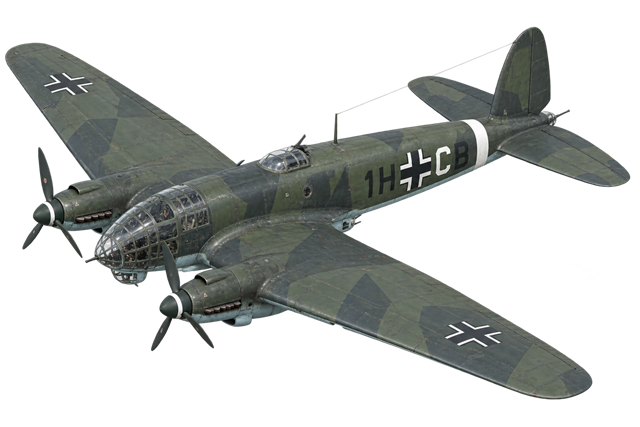
03 / Medium bomber
Bomber strength converts target selection into an industrial decision: fuel, engines, crews, bomb loads, escorts, and replacement aircraft must all meet at the right airfield.
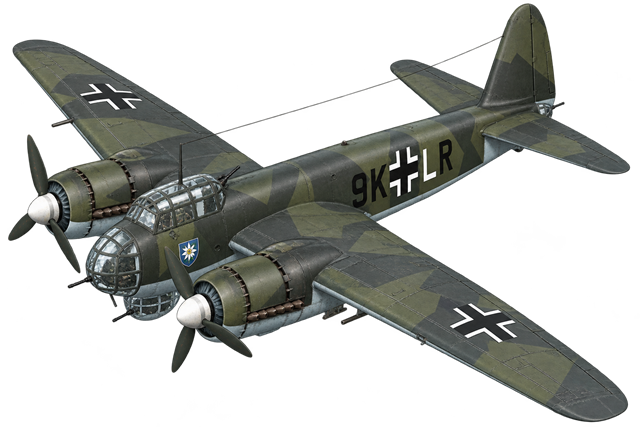
04 / Medium bomber
A second medium-bomber family adds flexibility while widening the supply problem. Availability depends on the specific Jumo variant, trained crews, repair capacity, and operational losses.
Powerplants & systems
Research and production determine which engines and fitted systems reach units—and whether the campaign can sustain the mission plan.
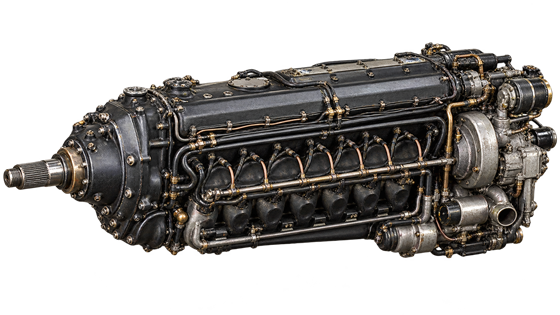
The fighter powerplant represented in both the Bf 109 E-4 and twin-engined Bf 110 C-4.
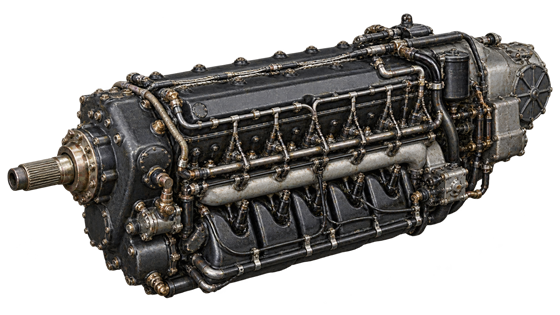
The B and D variants power the Ju 88 A-1 and He 111 H-3 represented in the campaign catalogue.
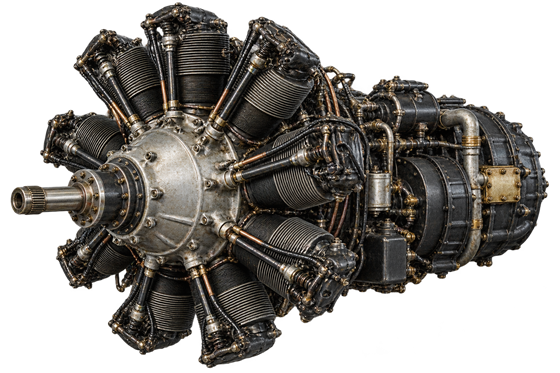
A separate bomber and transport powerplant family inside the wider production and research model.
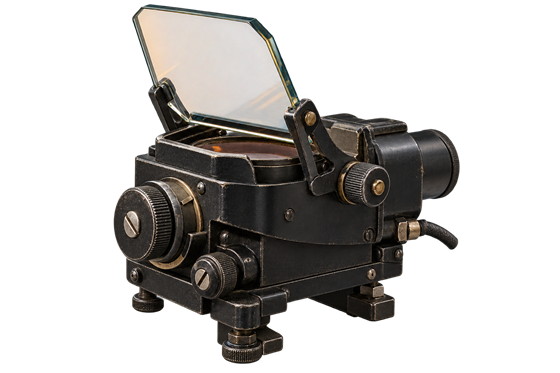
A fitted fighter system whose contribution depends on aircraft, pilot, and combat conditions.
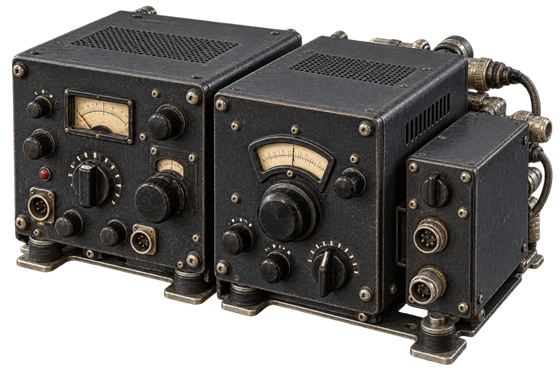
Air-to-air communication supporting formation control across a distributed mission.
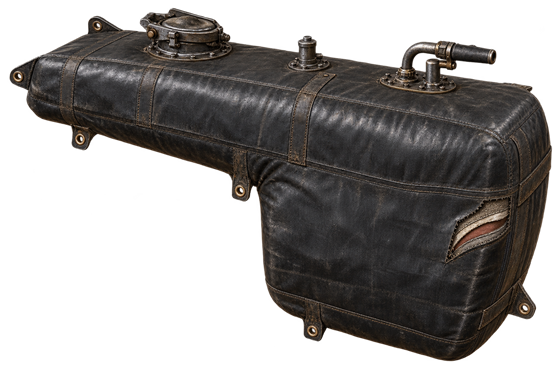
A survivability development represented in the aircraft research path, with weight and production consequences.
People in the campaign record
The campaign records people as part of an operational system—not as invulnerable icons. Rank, unit, promotion, wounds, and contradictory victory totals remain part of the record.
Hauptmann · Stab/JG 51
Mölders enters with 39 total victories, including those recorded in Spain. He became Geschwaderkommodore of JG 51 on 27 July and was wounded the same day; later campaign totals differ between current sources.
Hauptmann · III./JG 26
The opening roster records 13 victories. Galland became Geschwaderkommodore of JG 26 on 22 August; sources in the current dataset disagree between 49 and 50 victories by the end of October.
Leutnant · 3./JG 2
Wick enters with 13 recorded victories. He rose to command I./JG 2 on 9 September and JG 2 on 20 October, while the surviving sources disagree on his late-October total.
Hauptmann · 7./JG 27
His opening total of 29 includes victories recorded in Spain. On 1 September he became Gruppenkommandeur of III./JG 3, making his campaign story as much about changing responsibility as individual combat.
Oberleutnant · 7./JG 51
Oesau enters with 18 total victories, including Spain, and took command of III./JG 51 on 24 or 25 August. The current sources differ by a day on the appointment and between 47 and 48 on the later total.
Source discipline. These are prominent pilots represented in the current campaign dataset, not a definitive ranking. Appointments and counts are provisional where the source record conflicts. Equipment illustrations are approved game artwork and are decorative representations, not historical evidence.