


Give the order.
Live with the result.
Intercept a raid. Escort the bombers. Find a convoy. Every mission begins with a decision—and ends with a report.
Explore the missions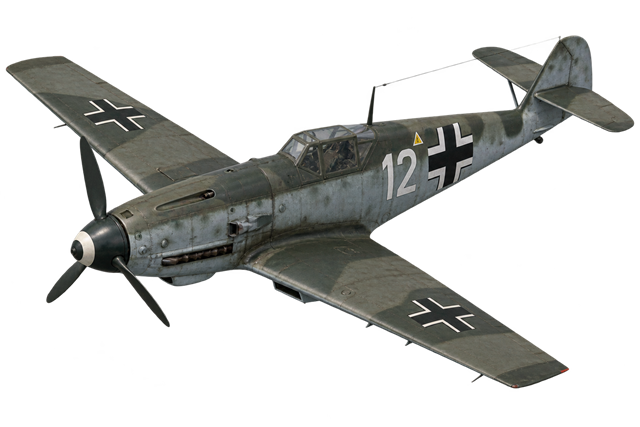
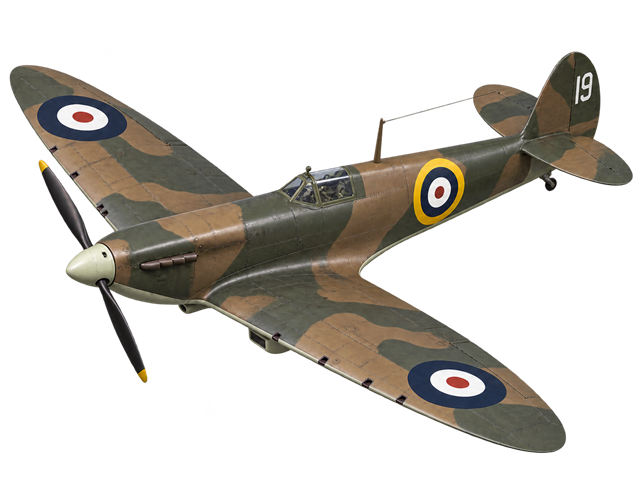
Intercept the raid.
Turn a reported contact into an interception. Choose the units, altitude, and moment to commit.
- Your decisions
- Readiness, available fighters, height, route, and reserves.
- Possible outcomes
- Contact and combat, a missed interception, or a return without contact. Read the enemy claims beside your own losses and damage.
Bring them through.
Assign fighters to another mission. Close, high, and free escort give you three ways to organise the protection.
- Your decisions
- Escort role and strength. Re-task an escort or split a group into a different role while the mission is in progress.
- Possible outcomes
- Fighter engagements, aircraft damage and losses, or an uneventful return. Escort reports stay linked to the raid they accompanied.
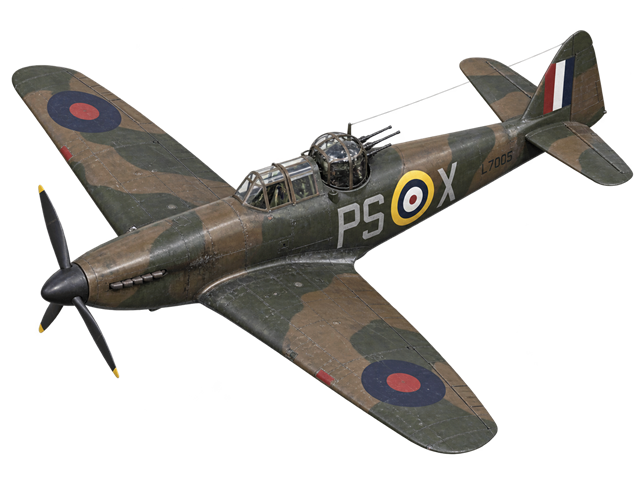
Hold the sky.
Or go looking.
Patrol an area or send a fighter sweep to seek contact. Covering one part of the theatre commits aircraft that cannot be everywhere else.
- Your decisions
- Area, altitude, aircraft on station, timing, and time over the patrol area within fuel limits.
- Possible outcomes
- Sightings, combat, or no contact. A quiet patrol still consumes aircraft time and crew effort.
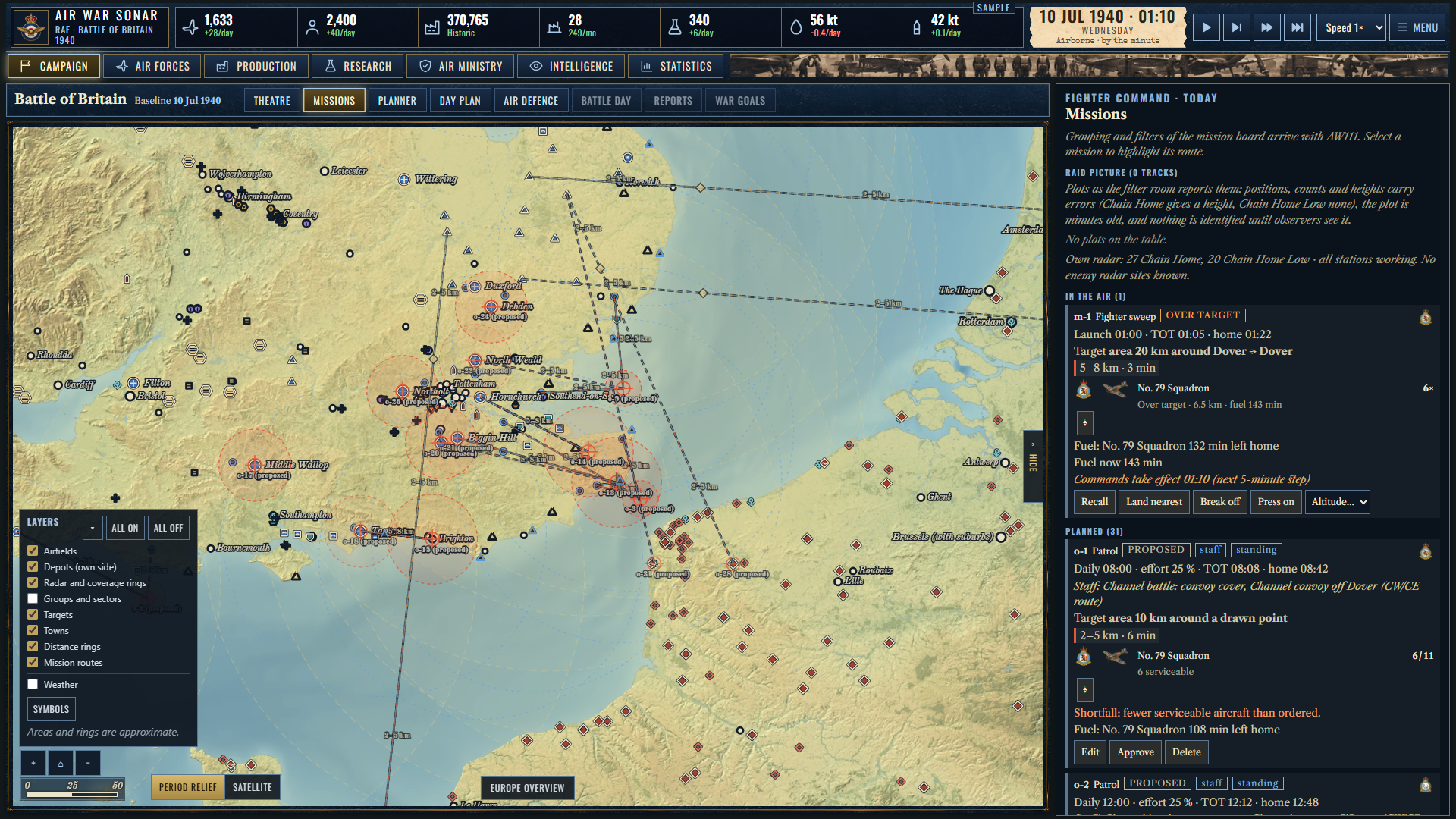
Find out first.
Send reconnaissance over a site or search area. What returns is a report, shaped by what the crews could observe.
- Your decisions
- Search area, route, altitude, and the height of the photo run.
- Possible outcomes
- Reconnaissance findings, sightings, an unsuccessful search, or aircraft losses. New information can inform the next order.
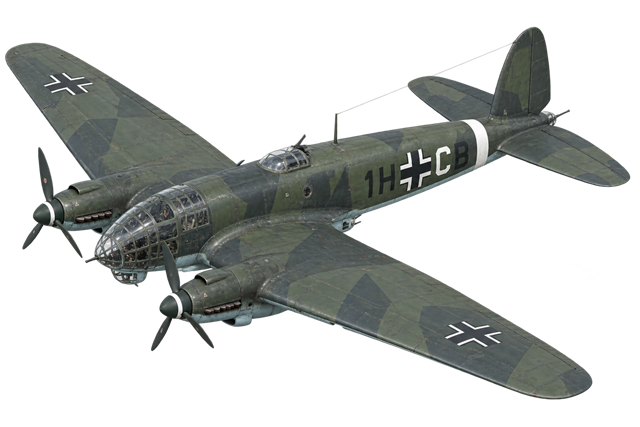
Reach the target.
Plan a level-bombing raid or a dive-bombing attack with aircraft suited to the task. Reaching the target is only part of the operation.
- Your decisions
- Target, force, route, height, escorts, and launch time. For level bombing, choose what to do when cloud hides the target.
- Possible outcomes
- A bombing estimate, an attack on an alternate, a return without bombing, or losses to fighters and flak. A crew report is not perfect knowledge of the damage.
The target
is moving.
Shipping attacks turn a reported position into a search and a strike. Find the ships, choose the approach, and face the defences.
Mission type: Shipping attack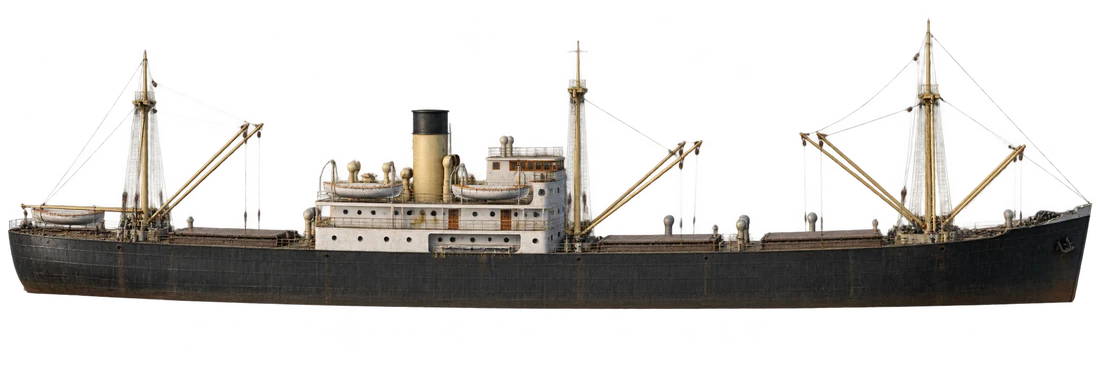
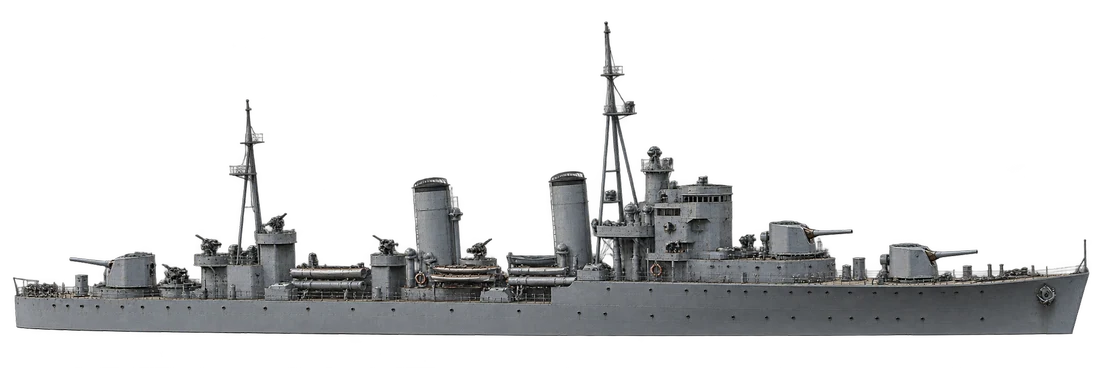
Plan the attack.
Choose a ship lead or target area. Level, dive, shallow-dive, low-level, and torpedo attacks depend on the aircraft and date. At a port, choose ships or facilities as the aim.
Read the report.
A search may find nothing. A strike may encounter ship defences, inflict damage, or lose aircraft. Ships reported hit are crew claims, not automatic confirmation of a sinking.
Owner-approved game illustrations. Ships are shown by class; these are not historical photographs.
The report
is your next beginning.
Review the aircraft flown, target, time out and back, sightings, bombing estimates, reconnaissance findings, own losses, damage, and crew fate.
Own losses are recorded separately from enemy claims. No contact, a diversion, or an aborted mission also belongs in the day's record.
Choose your command